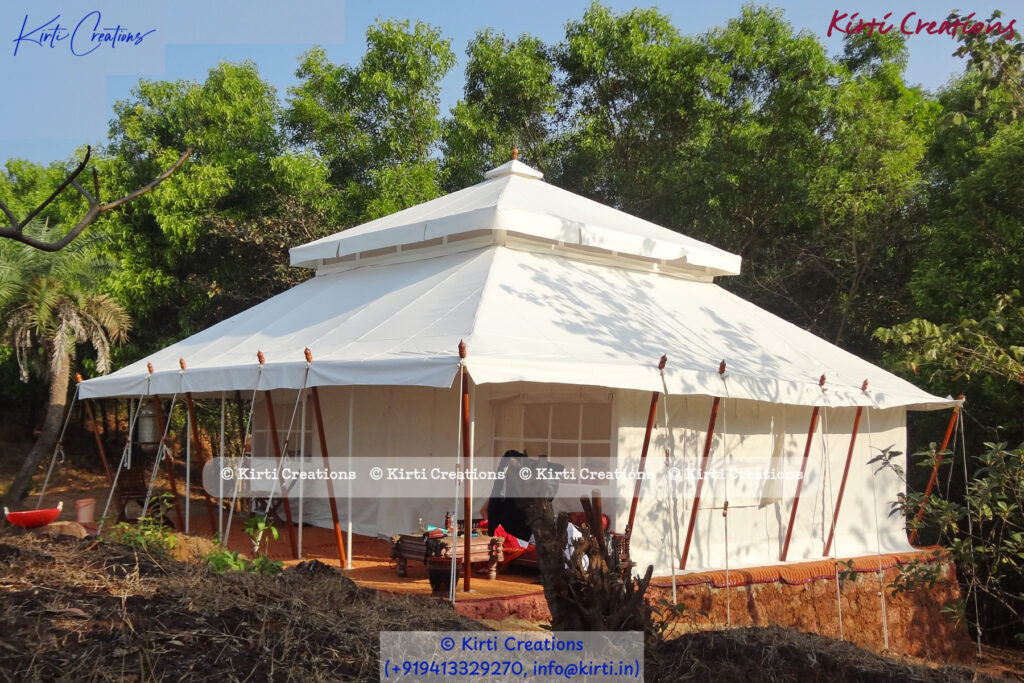
Throughout history, the Arabian Tent has been used for many types of gatherings, from formal to casual; however, in recent years, there has been a noticeable shift in design trends for these gathering spaces. Today’s trend for low-seating layouts is becoming more popular as a design option in private estates, curated events and destination venues.
This trend is due to an overall change in the way different people want to host gatherings, interact with their guests, and experience the environment they are in while hosting their gathering. Many hosts today prefer to set up their room with unstructured seating or seating that has more of a feeling of fluidity, grounding and connectivity with others.
The Heritage Behind Arabian Tent Seating
The foundation of this layout can be traced back to the traditional Arabian Tent, where seating was arranged close to the ground to encourage interaction. The objective was to create an environment conducive to facilitating conversation amongst all attendees.
The intent of these design principles is based on both general practicality and cultural traditions, allowing for a flexible way of hosting events or gatherings whereby the size of the attendee count, whether small or large, does not fundamentally change the ambience of the venue. Eventually, this was established as one of the defining characteristics of how one’s experience within these types of settings occurs.
Why Low-Seating Layouts Are Returning To Luxury Spaces
One of the primary reasons for this comeback is the way an Arabian Tent’s low seating layout changes how a space is used. It alters the use of a space by removing the physical barriers created by structured furniture. Instead, it creates a more fluid and open configuration to achieve more space.
By providing guests with comfortable seating near one another, guests are encouraged to interact with one another and be closer to one another without forcing their way in. Additionally, the adjustable layout has also allowed hosts to create zones for different group dynamics within the same space, increasing the ease of managing multiple groups during a single gathering.
This ability to adapt is especially appealing within today’s hosting styles, where hosts value flexibility as much as they do presentation.
Design Elements That Define A Refined Arabian Tent Experience
The second reason contributing to the comeback of the low seating layout is how well it works with the overall design of an Arabian Tent. The low seating works well in conjunction with layered textiles, rugs, and cushions, creating a unified whole as opposed to having a divided feel about it. Since there is no elevated furniture, the visual line is continuous and therefore increases the overall sense of space and continuity.
Additionally, the use of low seating allows for a more intimate experience with the decorative elements, which allows for more varied experiences of patterns, textures, and finishes in relation to one another.
Why Elite Hosts And Royal Clients Prefer Low Seating
For those who host regularly, the appeal of a custom Arabian Tent lies in how easily the space can adapt to different occasions. The use of low seating makes for a thought-out space without the restriction of fixed seating.
Having no fixed seating allows guests to move about at their own pace without being limited by where they are sitting; thus, allowing the event to feel relaxed, yet organised.
The low seating layout promotes longer stays by the guests since they typically don’t switch places often, and creates a more cohesive environment throughout the entire event.
Modern Adaptations Of Traditional Layouts
Though the original idea behind the Arabian Tent has remained unchanged over time, how it is being built and furnished has changed. For example, many of the luxury Arabian Tents available today are now designed to incorporate low seating in a way that allows hosts to meet modern standards and expectations in terms of seating without losing sight of the original concept.
Layouts can vary from one event to another based on the number of people and the types of seating arrangements. This provides hosts with flexibility and maintains the integrity of the original design.
Due to the flexibility offered by the layout, they can provide the same experience regardless of where they are used and thus have become very popular once again.
The Role Of Ambience In Shaping The Experience
Low-level seating is also a major factor in the resurgence of Arabian Tent interiors by affecting how people perceive the entire space.
By lowering some of the elements within an Arabian Tent, this creates a more contained and focused space. In turn, this creates a more immersive experience through an increased experience of enclosure, without having to add any additional structures.
Additionally, lighting, textile and décor elements also appear to be more seamlessly integrated into this type of interior design, which creates a finished, balanced look.
Conclusion
The revival of low-level seating in Arabian Tents is driven by how it enables the transformation of a space into an interactive environment, provides flexible space planning options, and enhances the overall look and feel of a space without adding complexity.
At Royal Tent, we specialise in custom tent designs that honour tradition and are implemented with precision. If you are seeking to create a setting that feels truly distinguished, we invite you to connect with us and begin shaping your vision.