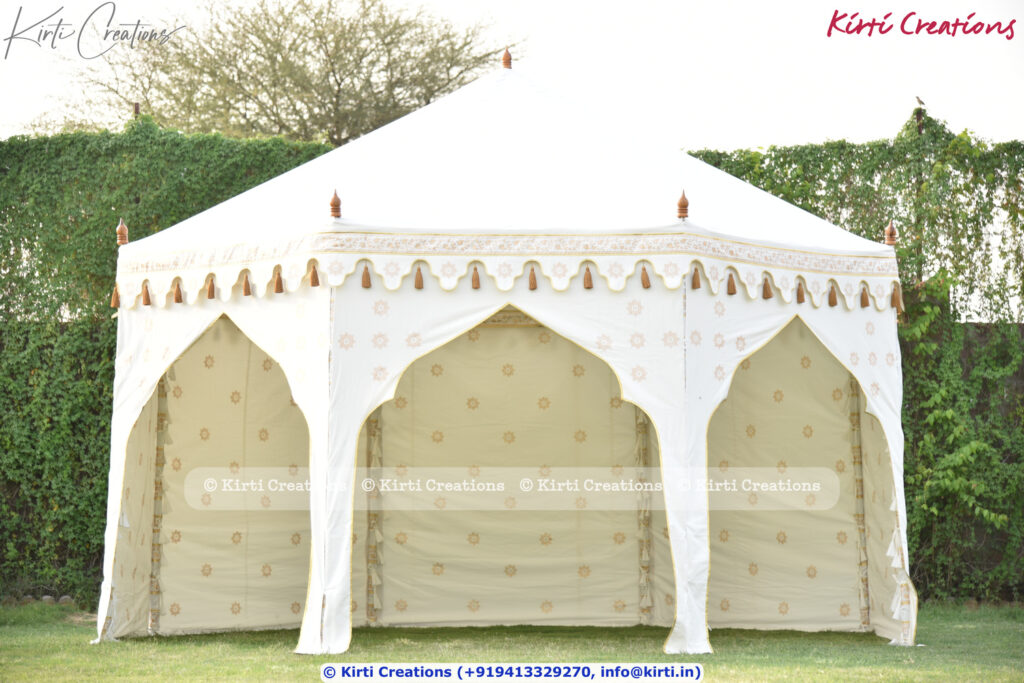
Planning guest flow within wedding royal tents is essential to creating a seamless and elegant experience. If the layout of the tent is well-planned, guests can move through the tent easily and naturally without confusion or crowding. When planned this way, movement is part of the overall experience, adding to the peacefulness and elegance of the event.
A well-planned wedding royal tent will guide guests through the tent so that they can flow easily from area to area, while still having a sense of openness and order. The focus of the layout isn’t just on how the area looks, but also on the experience of the area.
Understanding Movement As Part Of Design
Guest flow is not an afterthought. From entry to movement within the space and exit, it should feel natural and seamless from the very beginning of the planning process.
In the royal tent setup, there is a logical way for guests to flow through the tent. Entry points into the tent, central spaces, and dining and seating areas should be placed in a way that indicates to the guests how they should move through the tent. If the flow of the guests is intentionally designed, then the space will feel organised without feeling too restrictive.
Creating Clear Entry And Exit Points
How guests navigate the space is impacted by the first point of contact with the venue. With large, formal events such as weddings, the entrance should offer clear, visible direction right from the moment guests arrive, ensuring they can easily find their way.
Avoid placing the entrance immediately adjacent to congested areas of the venue that could create crowding or confusion as a guest makes their way into the main space. Allow for a gently graduated entrance into the main space in order to provide a true sense of arrival and to avoid creating congestion. Similarly, ensure that exits are positioned in such a way that they are easy to locate while maintaining the overall flow of movement through the venue.
A well-designed and planned entrance and exit system will give guests a comfortable place to be, without concern about where they are going.
Designing Pathways That Guide Movement
Pathways within wedding royal tents play an important role in determining how guests move around the space. The appearance of the pathways should be natural and unobtrusive, while at the same time clearly showing guests where to move.
Instead of forcing direction on guests through signage, pathways should lead guests from place to place through building layout, flooring design or lighting cues. The intent should be to provide guests with an intuitive experience rather than a directional experience.
When pathways are clearly defined, guests experience a structure to the venue while still having an open feel to the venue.
Using Zoning To Prevent Congestion
Zoning the tent into functional parts helps control how people move through the tent and prevent overcrowding. Each functional zone should have a specific function and be clearly defined from others, but still visually relate to one another.
Functional zones in the tent can include dining areas, social interaction zones, and areas for relaxing. Zones should be arranged so that there is no conflict of use between adjacent areas and that guests will have a clear pathway when moving from one zone to another.
With the proper tent zoning layout, the tent will feel balanced and have a smooth, continuous movement throughout the tent layout as guests pass through.
Maintaining Balance Between Open Space And Structure
A good royal tent layout provides an appropriate balance between open space and defined spaces. If there are too many defined spaces, the space will feel too restrictive to guests; if there is too much open space, guests may be confused and not know where they should be.
To maintain balance, a tent must provide enough defined space to help guide guests and allow them flexibility in their movements around the tent. Open areas allow for gathering and free movement, while defined spaces create clear pathways and purpose, resulting in an organised and comfortable environment.
Enhancing Flow Through Subtle Design Elements
Small design elements can impact the way guests use an area significantly. The way lights, decor and furniture are placed within the space all come together to provide movement direction.
Soft lights can be used to illuminate paths, and the way that furniture is positioned can guide people on a natural path. All of these elements must work together in a cohesive way that provides an overall layout support while not drawing attention to themselves.
When these detailed items are designed together, the flow of movement in the tent is easy and natural.
Conclusion
Planning guest flow in wedding royal tents ensures seamless movement, allowing guests to navigate the space with ease and comfort. This requires a measured attention to the layout of the area, zoning and subtle design features that lead guests without restraining them.
At Royal Tent, we are designing wedding royal tent experiences through artisanal methods of construction and thought-out spatial planning. Connect with us to create a setting where every movement feels smooth, elegant, and perfectly orchestrated.